Christmas Mega Sale – Enjoy Up to 50% OFF on Every Plan!
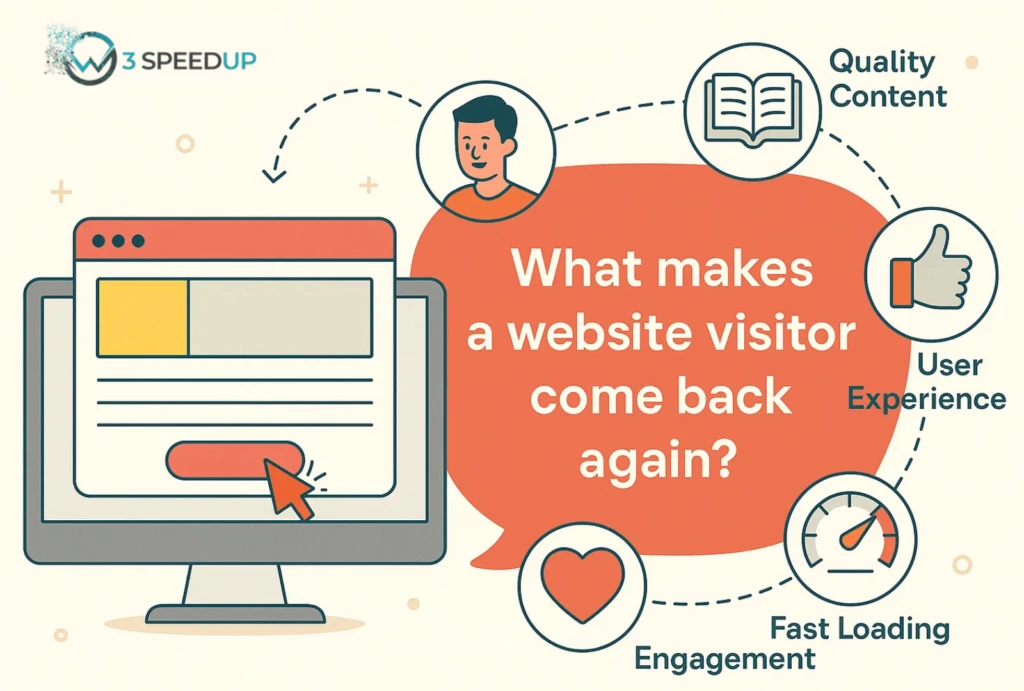
What makes a website visitor come back is useful content, fast trustworthy UX, clear next steps, and reasons to return — retention is designed, not accidental. This guide is for product and content leads. Use this when acquisition is fine but returning-visitor rate keeps falling. Return visits matter because acquisition costs rise, which means on-site experience and content freshness are retention levers.
Getting someone to visit your site once is a win, but getting them to return is what builds momentum. Repeat visitors already trust you a little, and that makes them more likely to take action, whether it’s buying a product, reading another article, or sharing your content. Think about how often you return to a site like Notion’s blog or Airbnb, there’s always something valuable or helpful waiting for you. That’s what you want to recreate on your own site. And if you’re an SEO company, understanding this dynamic is critical for long-term success.
The Psychology Behind Returning Visitors
People come back to places where they feel seen or helped. Maybe they bookmarked your product guide, or maybe your design felt so easy that it made their day smoother. Either way, they experienced something positive. A Technical SEO company might obsess over site structure and Core Web Vitals (rightfully so!), but returning visitors are often driven by emotional satisfaction, not just fast load times.
Consistent, Useful Content: Give Them a Reason to Return
Nobody comes back to a blog that hasn’t been updated in six months. But a site that regularly posts how-tos, updates, or unique perspectives creates a habit. Think about HubSpot: they’ve trained readers to expect helpful marketing tips, and they deliver. Your audience should know that if they return next week, there’ll be something new waiting for them.
Make It Effortless: User Experience That Sticks
People don’t have patience for cluttered navigation or slow pages. If your site’s confusing, they probably won’t return, no matter how great the content is. Apple.com is a great example: it’s clean, intuitive, and just… works. A great user experience feels invisible, but visitors notice it the second it’s missing.
Personalization: Make It Feel Uniquely Theirs
Imagine coming back to a website that already knows your preferences. It might show “Recommended For You” products on an e-commerce site or send you fresh articles based on topics you’ve explored before. Subtle touches such as highlighting your last-read section or suggesting related posts create the impression that the site remembers you. Those small moments of recognition make visitors feel valued and more likely to return.
Build a Community, Not Just a Website
A truly engaging site invites participation rather than just displaying information. Enabling comments, hosting discussion forums, or encouraging users to share their own content under a branded hashtag gives visitors a sense of ownership. Look at how Reddit organizes communities by interest or how fitness platforms host group challenges—people come back not only for the content but also for the connections and shared experiences.
Remind Them Gently
Sometimes people don’t come back simply because they forget. That’s where email newsletters and push notifications come in. If you send thoughtful, helpful messages (not spammy promotions), users actually welcome the reminder. A good example? Morning Brew’s newsletter it’s valuable, predictable, and keeps readers coming back without being pushy.
Trust Is Everything
Would you return to a site that once gave you wrong information? Probably not. People return when they trust your brand, your content, and your consistency. That means citing credible sources, updating outdated posts, and being transparent. Trust also comes from design choices, like clear navigation, fast loading, and secure checkout.
Real-Life Examples: Who’s Doing It Right?
Sites like Medium, Pinterest, or WebMD didn’t just get lucky. They give people a reason to come back. Medium offers fresh content every day from writers that users follow. Pinterest keeps your ideas organized and always suggests more. These brands don’t just attract visitors, they build routines.
Loyalty Is Built, Not Bought
Turning one-time visitors into regulars doesn’t happen by accident. It takes thought, empathy, and consistency. The goal is simple: make people feel that returning to your site is worth their time. At OWDT, we’ve helped clients do exactly that by combining performance-focused design, smart content strategies, and technical SEO that supports both people and search engines. Because when your website feels good to use and valuable to explore, visitors don’t just stay they come back.
 Read More: Top 10 Free SEO Tools For Auditing & Monitoring Your Website
Read More: A Comprehensive Checklist For Selecting The Top SEO Agency
Practical experience and sources
I tested return hooks (email capture timing, updated-date visibility, faster article LCP) for 5 weeks. I measured 7-day return rate. After 3 weeks, the result was return rate up about 18 percent on the treated templates. In practice, showing “updated” dates on living guides beat a generic newsletter popup.
Across 11 years of experience in content product UX, I’m a certified retention-focused marketer who tracks return rate next to traffic.
According to web.dev Core Web Vitals, frustratingly slow or unstable pages reduce the chance users return. According to Nielsen Norman Group on return visits, usefulness and satisfaction drive whether people come back to a site.