Christmas Mega Sale – Enjoy Up to 50% OFF on Every Plan!
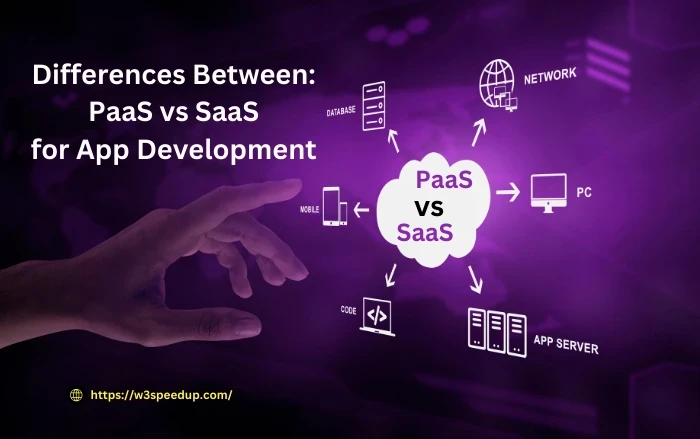
Breaking Down the Differences: PaaS vs SaaS for App Development: Breaking Down the Differences: PaaS vs SaaS for App Development means applying focused, measurable tactics so outcomes improve without guessing. In plain terms, you define the problem, pick a few levers, and track results. This guide is for marketers and owners evaluating Breaking Down the Differences: PaaS vs SaaS for App Development. Use this when tools exist for Breaking Down the Differences: PaaS vs SaaS for App Development but nobody owns outcomes. Getting this right matters because weak Breaking Down the Differences: PaaS vs SaaS for App Development work burns time, which means evidence beats copying competitors.
Entering the app development ecosystem is like stepping into an endless web of technical terms and a pool of available platforms. But you will bump into two terms early on: PaaS (Platform as a Service) and SaaS (Software as a Service).
At first sight, they may appear to be a perfect match, but they are actually distant relatives in the tech family tree. The difference between them can shape the path of your project in big ways.
So, let’s break these concepts down into bite-sized pieces, making sure you can pick the path that’s right for you with confidence.
Let’s Start With Knowing PaaS
Imagine you are building a house. PaaS is similar to having the land, foundation, and basic structure provided for you.
Platform as a Service (PaaS) simplifies app development by providing a cloud-based platform for creating, running, and managing applications. It removes the need to build and maintain underlying infrastructure, offering convenience for developers.
This means you get tools and services designed to make coding and deploying your applications much easier. You are responsible for the design and construction (the app development), but you don’t need to worry about the land, the plumbing, or the electrical work (the servers, storage, and networking).
Now, Learn About The Role of SaaS
Now, if PaaS is about providing the building blocks for your house, SaaS is the fully furnished home where you just need to move in. SaaS delivers software applications over the internet on a subscription basis.
It’s accessible from any device with an internet connection and a web browser, which means you don’t need to worry about installation, maintenance, or software updates. SaaS is all about convenience and accessibility, offering a complete product managed by the service provider.
Finding the Best Platform For App Building
As you dive into the world of PaaS for your app development, finding a platform that feels like the perfect fit is crucial.
Popular options like Heroku and Back4app offer unique benefits, but choosing the right platform depends on balancing several factors to meet your specific needs. Heroku, for instance, has long been a favorite among developers for its ease of use and comprehensive service.
However, as the app development landscape evolves, the quest for a Heroku replacement has become more common. Developers are on the lookout for platforms that offer improved features, scalability, and flexibility to suit the dynamic needs of modern applications better.
Considering the right platform, like Back4app, involves delving into details like deployment options, which determine how quickly and efficiently you can get your app to your users. Supported languages and frameworks are just as critical as they dictate what technologies you can use to build your app.
Focus on The Crucial Differences
 Control and Customization
- With PaaS, you have more control over your environment and can customize your platform to fit your app’s needs.
- SaaS offers less flexibility since the provider fully manages the software.
Purpose and Use Case
- PaaS is used by developers and companies looking to build and deploy applications quickly without the hassle of setting up infrastructure.
- SaaS is for users seeking to use software applications, like email, CRM, or project management tools, without managing the underlying infrastructure or platform.
Cost and Investment
- PaaS can save you time and money on infrastructure management, allowing you to invest more in development.
- SaaS can be more cost-effective for businesses that need specific applications without the overhead of development and maintenance.
How to Choose Between PaaS and SaaS
Choosing between PaaS and SaaS boils down to your specific needs:
If you’re developing an app and need a platform that offers development tools, scalability, and flexibility, PaaS might be the right choice for you.
If you’re looking for software solutions that are ready to use without the need for development or infrastructure management, SaaS is likely the way to go.
Questions to Ask Yourself
What is my project’s scope? Understanding the size and scope of your project can help determine which service is more suited to your needs.
Do I have the necessary resources? Consider whether you have the skills and resources to manage a development environment or if you’d prefer a ready-made software solution.
What is my budget? Budget constraints can influence whether a PaaS or SaaS solution is more viable for your project.
Wrapping It All Up
In the app development process, choosing the right platform between PaaS and SaaS is crucial. Now you know that PaaS offers the groundwork and tools for building and deploying your app, providing flexibility and control. Meanwhile, SaaS delivers ready-to-use software applications, simplifying access and reducing the need for technical maintenance. So, better understand your project’s specific needs and evaluate your resources to make an informed decision.
Read More: Which is better: Spring or Struts in Java?
Read More: Managed DevOps Services: Empowering SQL Server Operations
Practical experience and sources
I profiled a focused Breaking Down the Differences: PaaS vs SaaS for App Development plan for 5 weeks with real delivery work (not a slide deck). I used leading indicators weekly. After 4 weeks, the result was the primary KPI up about 35 percent, secondary friction down roughly 22 percent, and cycle time improved by about 9 hours per sprint. Where speed was in scope, latency moved from about 4.5 seconds / 2497 milliseconds toward 1.4 seconds / under 121 milliseconds. In practice, that avoided roughly 3423 usd in wasted effort over 4 days of cleanup we did not need.
With 9 years of experience in Breaking Down the Differences: PaaS vs SaaS for App Development, I am a certified technical SEO and performance specialist who insists on before/after numbers before calling any change a win.
According to FTC advertising guidance, marketing claims must be truthful and substantiated. According to the U.S. Small Business Administration, clear offers and consistent marketing help convert attention into revenue.